Choosing the Right Mobility Aid for Your Needs
1. What to Consider Before You Buy
Choosing a mobility aid isn’t just about picking a device — it’s about matching the aid to the person’s capabilities, environment, and goals.
👣 Assess Individual Needs & Mobility
Think about:
-
Walking ability — Can the person walk independently? For how long or how far?
-
Balance levels — Are they stable, or at risk of falling?
-
Upper body strength — Can they lift or maneuver a device?
These questions help determine whether a simple cane will do or if something more supportive like a walker or wheelchair is needed. (Carex)
💪 Physical Capabilities
Physical limitations play a major role:
-
Strength
-
Coordination
-
Range of motion
-
Endurance
For example, someone with strong balance but weak legs might benefit from different support than someone with both leg and balance issues. (Carex)
🏠 Environment
Where the mobility aid will be used matters:
-
Indoor spaces — tight corners or narrow rooms may demand compact devices.
-
Outdoors — uneven terrain requires sturdier wheels and frames.
Evaluating common locations like the home, parks, stores, or workplace helps you choose a device that fits real-world use. (Carex)
🚗 Portability & Transportation
If the mobility aid will be taken outside often or on trips:
-
Can it fold easily?
-
Will it fit in a car trunk?
-
Is it light enough for travel?
Some people own more than one aid (e.g., a support walker at home and a foldable rollator for outings). (Carex)
⚖️ Weight Capacity & Size
Always check:
-
Maximum user weight capacity
-
Device height and width
A poorly sized aid can cause discomfort, poor posture, or even accidents. (Carex)
🔧 Accessibility Features
Features that improve use and comfort include:
-
Adjustable handles
-
Removable footrests
-
Storage bags
-
Brake systems (for wheeled devices)
These can make the aid more adaptable to the user’s needs. (Carex)
💰 Cost & Budget
Mobility aids vary widely in price:
-
Canes cost much less than powered wheelchairs.
-
You may want to explore insurance coverage or rentals before buying.
Factor in ongoing maintenance costs too. (Carex)
🧾 2. Side-by-Side Comparison of Mobility Aids
Below is a concise overview you can use in a blog section to help readers quickly understand when each aid makes sense:
🦯 Canes
Best for: Mild balance or stability issues
Pros: Lightweight, easy to carry, improves stability
Cons: Only supports one side, not suitable for severe balance issues
Ideal for: Arthritis, minor injuries, early rehabilitation stages (Carex)
🩼 Crutches
Best for: Temporary injuries
Pros: Keeps weight off an injured leg
Cons: Requires strong arms and balance, not for long-term use
Ideal for: Post-surgery recovery or short-term injuries (Carex)
🛵 Knee Scooters
Best for: Lower-leg injuries
Pros: More comfortable than crutches, hands free
Cons: Hard to use in tight spaces or uneven terrain
Ideal for: Post-injury use when you can’t put weight on one leg (Carex)
🚶♂️ Walkers
Best for: Balance support
Pros: Supports both sides, stable
Cons: Requires some lifting or push effort
Ideal for: High fall risk, post-surgery or balance challenges (Carex)
🛼 Rollators
Best for: Balance & comfort
Pros: Wheeled, easy to push, usually comes with a seat
Cons: Wheels require some balance; less stable than a non-wheeled walker
Ideal for: Those who tire easily or need a rest while walking (Carex)
🪑 Lifting Seats
Best for: Sitting-to-standing support
Pros: Reduces joint strain, assists caregivers
Cons: Not a full mobility device
Ideal for: Limited strength or conditions like arthritis or Parkinson’s
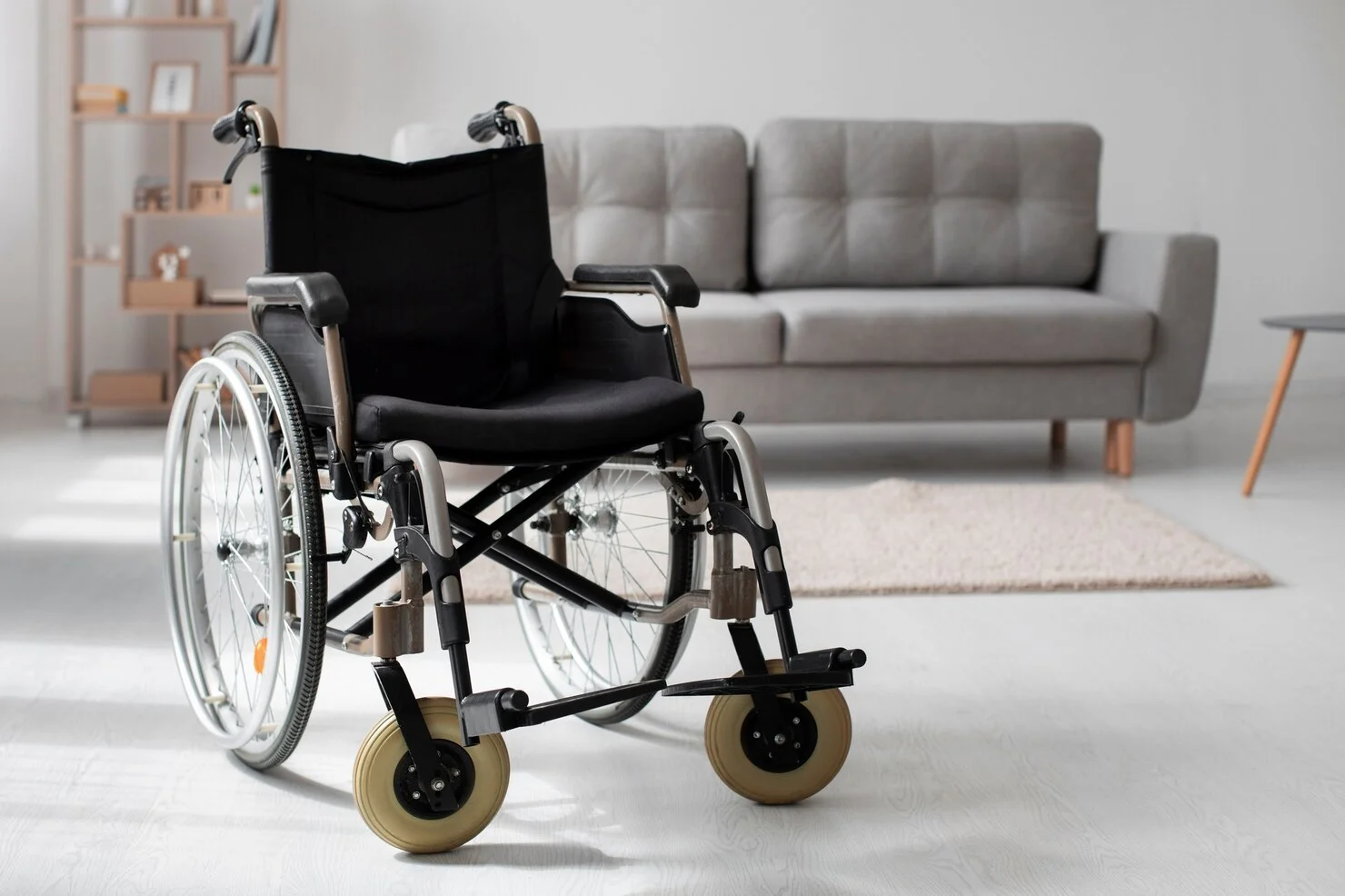
♿ Wheelchairs
Best for: Limited or no walking ability
Pros: Full-body support, can be manual or powered
Cons: Room and vehicle space required
Ideal for: Paralysis, significant gait problems, long distances
🚗 Transport Chairs
Best for: Short trips with assistance
Pros: Light and portable
Cons: Must be pushed by someone else
Ideal for: Travel, errands, part-time use when walking is tough
📌 Tips for Choosing Your Primary Aid
Here are extra tips you can include as actionable guidance in a blog:
✔️ Always consult a healthcare provider or physical therapist — they can assess mobility and recommend specific devices based on physical capability and goals.
✔️ Try before you buy — trialing an aid (or renting it) helps ensure comfort and usability.
✔️ Consider multiple aids — using more than one device (e.g., a cane at home, a rollator outdoors) might make everyday tasks easier.

